What does craft beer mean to you? Here are some adjectives that I’ve come up with.
Support The Brewed Palate





What does craft beer mean to you? Here are some adjectives that I’ve come up with.
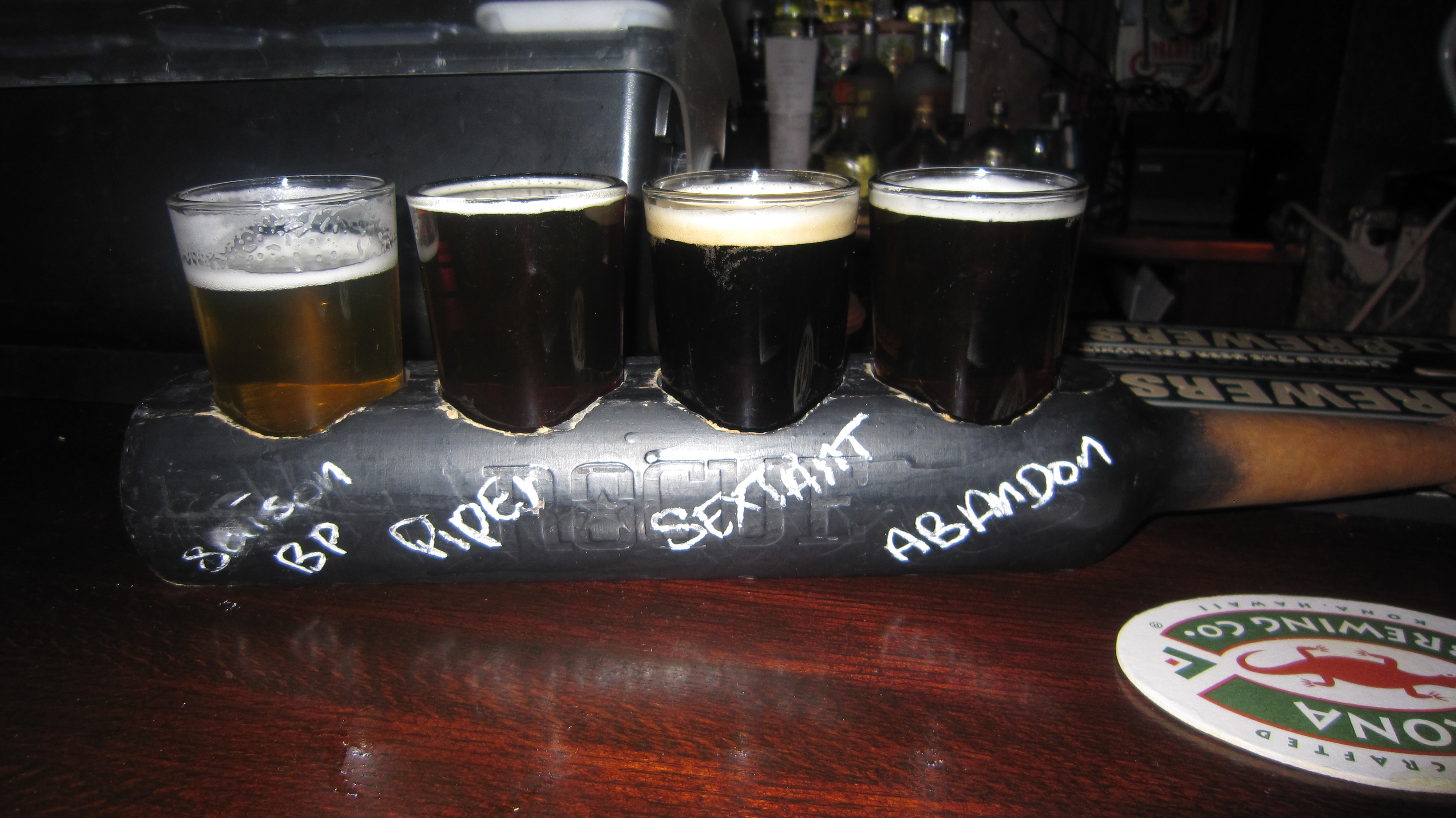
On Thursday, 5/31/12 I headed over to Rattle n Hum, a craft beer in New York City that I go to on a regular basis. On Tuesdays the bar hosts brewery feature events and on this particular week, Ballast Point Brewing Company’s beers were being featured on tap (the bar has 40 taps, about 14 were Ballast Point beers). In order to try a bunch that I hadn’t tried I started the night with a flight of four beers….
The first beer was Brother Levonian Saison. While this belgian style beer was brewed in the USA, it definitely smelled and tasted like an authentic Belgian saison. Its aroma consisted of a melange of lemon, sweet bready malts, and earthy notes. On the palate this beer first opened up as similar to the aroma and was joined by hints of banana, grassyness, and spicy belgian yeast. At 5.4% ABV this Saison was quite refreshing, balanced, and drinkable. I hope this beer will be bottled and distributed to New York City at some point in the future. Rating: 8/10
Next up was Piper Down scottish ale, which clocks in at 5.2% ABV. Before digging in I took a minute to analyze the beer’s aroma. I was met with notes of milk chocolate, caramel, roasted malts, and graham cracker. All of which are common smells present in scottish ales. However, the enticing aroma did not follow through into the taste. Dominated by sweet graham cracker, brown sugar, and light caramel notes, the taste was not as complex or attractive as a hoped it would be. Rating: 6/10
Beer number 3 was Sextant Coffee Oatmeal Stout (6.8% ABV). As expected the nose consisted of coffee, hazelnuts, roasted malts, and oatmeal. Categorized as a dry stout on RateBeer, the overall taste was mildly sweet and a bit try. Though as I sipped the beer a bit more the flavors of coffee, hazelnuts, and roasted malts were joined by a creamy mouthfeel and moderate roasted malt astringency. In turn the flavors grew on me and I would order a pint when in the mood for a creamy stout. Rating: 7/10
The order that I drank this flight of Ballast Point beers was influenced primarily by its fourth beer, Abandon Ship, a 6.6% ABV smoked beer. Being that some smoked beers can overwhelm the palate, just as many hoppy beers tend to do, I wanted to make sure that I’d be able to clearly taste the three preceding beers. The aroma and taste consisted of sweet smokiness that at times reminded me of actual smoked meat, caramel sweetness, and perfumey woodiness (almost like sandalwood). In the end the smokiness was not overwhelming and the sweetness of the malts made for an enjoyable example of a beer style that for many, takes time to get used to. Rating: 8/10
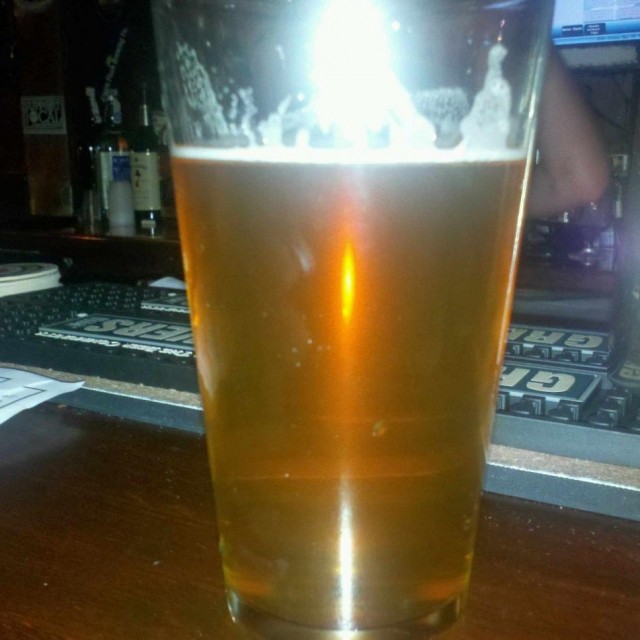 As I finished my flight I saw that two other bar patrons were enjoying beer flights as well and I contemplated getting another one. Before making my final decision I asked for a taste of Ballast Point’s Even Keel pale ale, a “San Diego session pale ale” clocking in at 3.8% ABV. As a hophead, I immediately knew I needed to experience a full pint of this juicy / citrusy pale ale after tasting the small sample I was given (a couple of ounces). So instead of ordering another flight of beers I ordered a pint of Even Keel and man was it worth it. The juicy / citrusy west coast hop profile was met by moderate bitterness, hints of pine, and balanced by a semi-sweet bready maltiness. I really hope I can try this beer again in the near future. I should note that Even Keel’s flavor profile reminded me of another San Diego pale ale, Green Flash Brewing Co.’s 30th Street Pale Ale. So if you’re a hop head and get to try either beers, you will not be disappointed. Rating: 9/10
On May 22, 2012 my older brother and I met up with Brewery Ommegang‘s brewmaster Phil Leinhart on his home turf aka his recently expanded Belgian style brewery in Cooperstown, NY. Upon our arrival Phil was there to greet us and began sharing information about current projects that are in the works, the first of which was a new water treatment system. While Brewery Ommegang already filters and treats its waste water on premises, due to new state regulations a more advanced water treatment system will be built across the road from the brewery and attached to the brewery using underground pipes. From the way he explained it, this new system will involve a complex installation process, but in the end it’ll be better for the environment. I asked him if there were plans to reuse any of the treated water and Phil remarked that he had spoken to a staff member at Stone Brewing Co. while at the 2012 and Craft Brewers Conference / World Beer Cup (he was a beer judge there) and was told that Stone reuses some of its water to water plants and wash floors. So Ommegang may reuse its water for similar purposes if possible.
After putting on some protective eyewear we entered the brewery, first stopping to take a peek at a new state of the art quality control lab. The next area of the brewery that we checked out can be called “the main hub” being that it houses bright tanks which hold beer before it’s put in bottles or kegs. In addition, a new yeast propagation system and tiled floor have been put in as part of improvements (i.e. additions) that have been made to the brewery over the past two years). Another important piece of equipment that caught my eye was their pilot brew system…More in the video about the conception of new beers.
We then entered the brew house where we got to see the brewers at work and were shown additions such as a new boiler, glycol system (used to cool water and regulate fermentation temperatures), new outdoor fermenters, and the truck being filled with spent brewing grains (clip included in video). We then back tracked to the hallways containing the outlets to the outdoor fermentors and got to try a new beer called Biere de Hougoumont, a biere de garde being bottled this week and released sometime this summer (more info. in the video).
Before heading to the new Ommegang visitors center and cafe Phil brought us to the expanded bottling facility, which has pretty much tripled in size since my 2010 visit to the brewery. With the help of Duvel, Brewery Ommegang’s potential production capacity has increased almost five fold (more info. in the video).
Upon arriving at the visitors center we went straight to the cafe to sample one of Brewery Ommegang’s latest limited release beers called Art of Darkness, a 8.9% Belgian strong dark ale. Initial impressions included aromas of dark fruits, caramel, and yeast esters that followed through into the taste and were joined with hints of wheat malt and distinct plum and dark cherry notes. Due to the use of various types of malted wheat the mouthfeel of this beer was a tad more full than other beers of its style. I remarked that it would be a great dessert beer. Afterwards my brother and I asked Phil a few more questions (included in the video) and said our goodbyes as he had another meeting to get to.
Before leaving the brewery my brother an I each had two beers (Me: Art of Darkness and BPA, my brother Hennepin and Maredsous Blonde) and got to chat with one of the brewers who was enjoying a beer in the cafe. He informed us about the five round the clock days of brewing done each week at Brewery Ommegang and clarified that beers are brewed as needed. Except of course when new beers and seasonal brews are on deck for subsequent release. From our chat I got a good picture of the passion that goes into brewing consistently great belgian style beers at Brewery Ommegang.
Cheers!
 Each February east coast craft beer enthusiasts eagerly await Troegs Brewing Company’s hop lover’s delight also known as Nugget Nectar, an imperial amber ale. After moving from Harrisburg to Hershey, Pennsylvania and building a new state of the art brewery the Troegs brothers were able to increase production of this anticipated seasonal beer. While it was released a couple of weeks late, the delay was well worth it. Upon pouring Nugget Nectar’s golden amber color was met by an off-white two finger head. Aromas of resinous hops, red grapefruit, and orange were backed up by floral hints, caramel, and bready malt. At “93ish” IBUs I was expecting my palate to be met by significant bitterness, however while some hop resins were apparent in the aftertaste the flavors were quite balanced. Flavors were reminiscent of the aroma and definitely could be called hop “nectar”. Juicy grapefruit, orange, and peach notes were rounded by light caramel and sweet bready malt. Instead of being perceived as two separate entities the hops and malts blended together seamlessly. Due to the smoothness of the mouthfeel this beer was quite sessionable, even at 7.5% ABV. Overall, Nugget Nectar 2012 was a success in my book and I’m looking forward to enjoying more Troegs brews in the future, and closely following what they come up with next now that they’ve moved into a larger, more efficient brewery.
 On Wednesday December, 21, 2011 Hopping Mad, a new craft beer tasting club that I co-founded had it’s inaugural event. Do to the varied levels of craft beer knowledge of those in attendance I chose to make this event a beer and food pairing event to showcase craft beer’s versatility with food. Four appetizer style dishes were paired with four craft beers of different beer styles. The pairings increased in intensity as the tasting went on and since they were new to all in attendance the epiphanies were great to watch. While I did not take any pictures of the pairings due to my preoccupation with leading the tasting here are my reflections on each pairing.
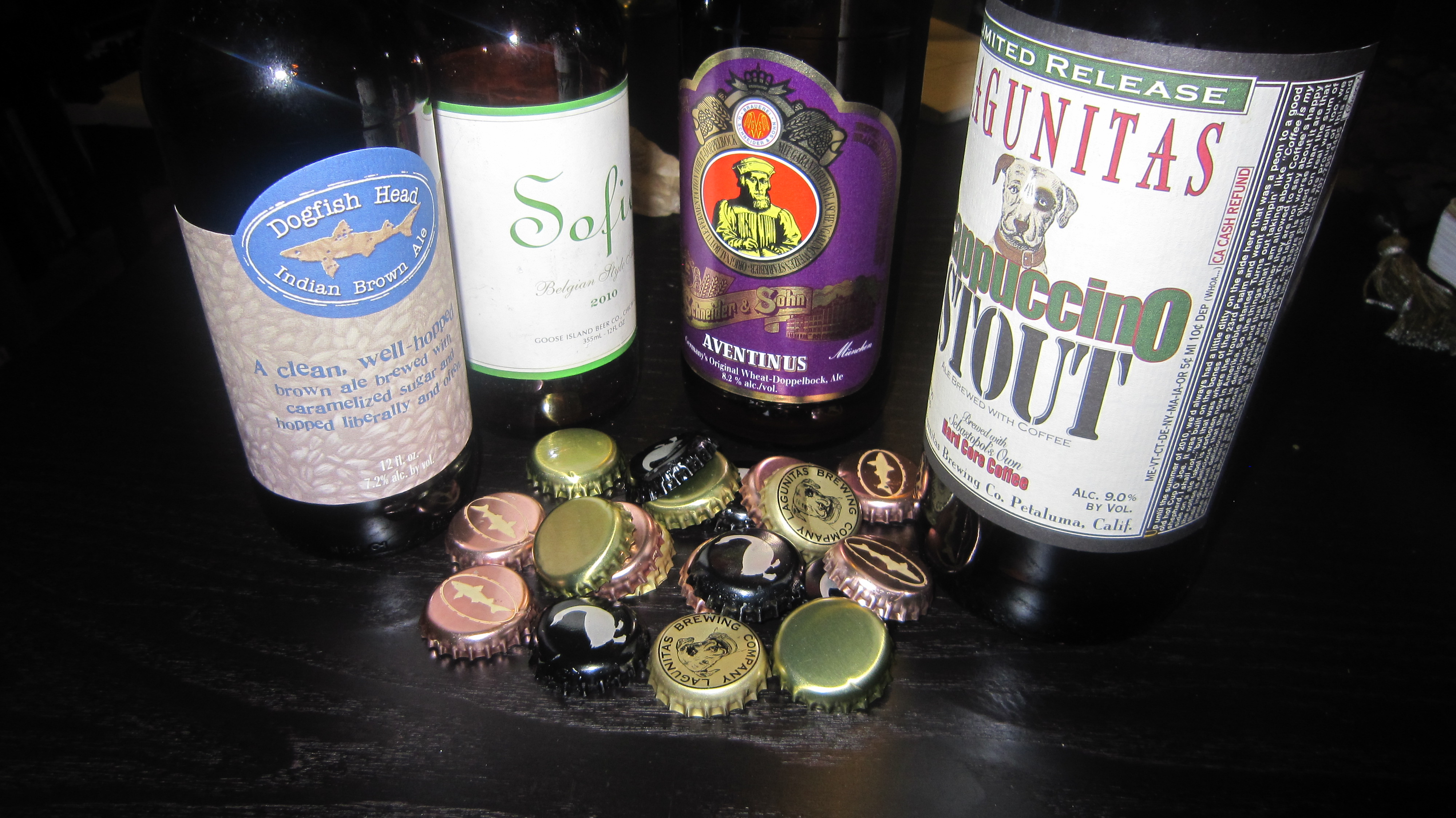
Pan Fried Talapia with a red curry sauce and a homemade lemon grass, rice cake > Paired w/ Goose Island Sofie (Saison/Farmhouse Ale)
Bottled conditioned (carbonated in the bottle) with a wild yeast strain called Brettanomyces Sofie brought flavors of tart lemons, peppery spiciness, lemongrass, and bready malt to the table. These sharp flavors along with the carbonation typical of Belgian ales matched up quite nicely with the lightness of the fish and the citrus notes in both the sauce and rice cake. Definitely a good way to start off the tasting and open the palate for the upcoming pairings.
Beef Carpaccio with rock salt and balsamic reduction with a pear and red wine vinaigrette salad > Paired w/ Schneider Aventinus (Weizenbock)
Having not tried raw beef before I was a little apprehensive to try this dish. However, once paired with the chosen beer I found that my apprehension was unnecessary. In comparison to other beers of its style which are lighter in color and not as complex Aventinus features flavors of dark fruits such as dates and plums along with notes of caramel, toffee, and banana bread. To me this pairing took the tasting to an almost euphoric level. The sweetness of the pair salad and balsamic reduction along with the texture of the carpaccio paired seamlessly with the dark fruit and caramel flavors in the beer. It was at this point that those in attendance began to show their amazement of how well beer can pair with boldly flavored and unique dishes.
Mini Sliders with tomato chili jam, fried mushrooms and polenta fries with tomatillo and jalapeño sauce and garlic aioli > Paired w/ Dogfish Head Indian Brown Ale (India Brown Ale)
In choosing which beer to pair with this dish there were two major flavors that needed to be taken into account. The first flavor being the meatiness of the slider and the second was the spiciness of the tomatillo and jalapeño sauces. Instead of offering two different beers to complement each of these bold flavors, I chose a beer that’s a hybrid of both. The bold roasty flavors (coffee and dark chocolate) of Indian Brown Ale’s brown ale base paired quite nicely with the meatiness of the slider and also tempered the spiciness of the jalapeno sauce (relish). While the bitterness of the additional hops enhanced the spicy aspects of the dish while preventing it from becoming overwhelming. It was at this point that the women in attendance took only a few sips of the beer due to its level of bitterness.
Rich Chocolate Mousse with lady finger biscuits and chocolate covered strawberries > Paired w/ Lagunitas Cappuccino Stout (Imperial Coffee Stout)
For dessert I chose to counterbalance the sweetness of the chocolate mousse and chocolate covered strawberries with a slightly bitter coffee stout. While at first I thought the beer was a bit too bitter for the sweetness of the dish’s components. As I ate more and shared my thoughts with other club members, I found that the coffee flavors in the beer contrasted well with the acidity of the strawberries and cut through the sweetness of the mousse. In the future I’d probably pair this type of dessert with a less roasty / bitter stout, but in the end I think it made for a great example of how pairings can be based on contrasting flavors instead of only those that complement eachother.
 In the end I feel Hopping Mad’s inaugural event was a success. The reactions to the pairings were priceless and it gave me great pleasure to see others recognizing the versatility and complexity of good quality beer (craft beer). In future events these and other aspects of what makes craft beer special will be both explored and experienced.
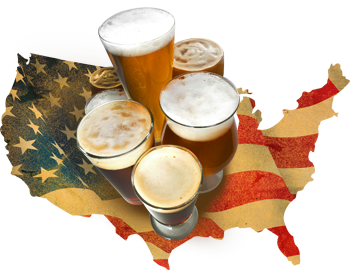
In life there are many ideals, causes, and interests that one can have a true passion for. However, the intensity of one’s passion for something can only be measured by how far he or she takes that passion and makes it a central focus of life. Nowadays, with the growth of digital media and never ending exchange of personal opinion, there is a lot one can latch onto and develop a genuine passion for. Be it politics, professional sports, or even beer; life can take on a whole new meaning when you just have a passion that drives you forward. When it comes to beer, your average American will assume that a passion for beer means getting plastered on cheap beer and living to wake up the next morning and do the same thing the next night. Though for a select group of people being passionate about beer takes on a whole different meaning and has the possibility to enhance one’s appreciation for food, friendship, and many other facets of life.
One of the distinguishing factors between the two aforementioned perspectives on having a passion for beer is flavor. On one hand those who enjoy drinking copious amounts of cheap beer rarely think twice about what the beer they are imbibing tastes like. While on the other hand, those who gain an appreciation of many facets of life through beer are those who take the time to seek out and choose beers that are not only drinkable, but also have complex flavors that can cause one to take a second and decipher the contents of his or her glass. With world beer sales being dominated by bland mass-produced lagers, beer with actual flavor struggles to make itself known as what beer truly should be. As such, developing a true passion for beer takes hard work and dedication to a craft not appreciated as much as it deserves to be.
The category of beers that includes those who are dedicated to full flavored beer has been appropriately named “craft beer”. There are two general groups of people spreading their passion for beer, the brewers and the drinkers. The brewers brew beer for quality rather than quantity, all while developing their craft with new brewing techniques and the revival of old ones. Drinkers of craft beer not only support the brewers through the purchase of their beers, but spread the word of full flavored beer to as many people as possible. One important factor that separates the brewers of craft beer from those that brew mass produced beers is their camaraderie with those that drink their beers. Meaning, the drinkers can interact with the brewers both in person and online, talking about craft beer and the growth of the segment of beer sales that they represent.
Most passions are sparked by a singular event or experience that causes one to rethink his or her previous impressions of something and realize the value and benefit in exploring the object of their new found interest on a deeper level. However, one should keep in mind that a genuine and driving passion for anything takes time and effort to develop, and can take on various forms before one can hone in on what makes their passion for that object or cause unique. When it comes to craft beer the experience usually comes from tasting a beer that causes one to have an epiphany and say “Wow I never knew beer could taste like that.” That quote could take different forms based on which beers the person saying it had been drinking before having their craft beer epiphany. However, most people are hooked from then on and never go back to drinking mass-marketed light lagers etc. again. One challenge when exploring the plethora of craft beer available nowadays is where to start. Since having my epiphany I have heard many suggestions of how to go about entering the world of craft beer and developing your “beer palate”. Hence, future posts will be dedicated to spelling out what I feel are the best ways to develop one’s personal preferences within craft beer.
Ever since beginning its assent to world wide recognition in the 1980s the American craft beer community has overcome many challenging obstacles. In order to get the ball rolling for the brewing of full flavored beer, the pioneers of craft beer fought to have legislation passed that would allow fledgling brewers to brew legally both at home and in brewpubs for the fans of their beers. Over time most Americans have lost sight of America’s rich brewing history. One reason why that happened is because of Prohibition. Before Prohibition there were hundreds if not thousands of small breweries who brewed small batches of beer for those in their city and or region. However, the overwhelming majority of those breweries closed up shop either during Prohibition or shortly after its repeal. Yet another reason for the lack of awareness of what beer is supposed to taste like is the marketing campaigns and market influence of the “big three” i.e. Budweiser, Miller, and Coors. Every year those three giants of the brewing industry spend millions of dollars on attempting to convince Americans (and the world) that their mass-produced lagers have actual flavor appeal. As such, a set of challenges has been placed on craft brewers that continues to evolve over time. Without going into too much detail at this point one of the challenges being fought is the following. Store shelves in supermarkets and liquor stores are commonly arranged so that the beers brewed and distributed by Budweiser, Miller, and Coors are in clear view of customers. As with the other challenges faced by craft brewers, considerable success has been made with the aforementioned challenge. For example, supermarket chains such as Whole Foods have created sections devoted to selling craft beer. In addition, stores have open all over America that focus on selling American and international craft beers. I therefore believe that an important part of developing a passion for craft beer is both the knowledge of its history and the challenges faced my today’s craft brewers.
Over the past 30 years over 1500 craft breweries of all sizes have opened all over North America and along with it the number of great beers available to passionate beer drinkers has helped shift the reputation of American beer from only brewing bland mass-produced lagers to being a producer of beers that brewers from other major beer producing countries look to emulate and gain inspiration from. A cornerstone of the success of any country producing craft beer is a culture that brings together the brewers and drinkers of the the beers that are constantly being released by its breweries for public consumption. While some may say that Americans are just mimicking the beer culture of countries such as Belgium, England, and Germany. Over the past 15 years the boom of new breweries that have opened and beers they have released has allowed for the development of a “craft beer revolution” consisting of bars dedicated to serving craft beer, giant beer festivals that take place yearly, and the beginnings of a grassroots movement dedicated to spreading the messages of American craft beer culture.
Naturally, a successful and thriving revolution is driven by two important parties. The first being the masses of people that help set the trends that drive the growth of craft beer sales and inspire brewers to develop their craft by trying new brewing techniques and reviving old ones. Along with the masses are the individuals that represent what it means to have a passion for craft beer and serve as role models for brewers and beer enthusiasts in America and many other beer producing countries. Some of these individuals that I will be profiling in future posts in order to show youtheir influence on craft beer’s growth are the following. Greg Koch, CEO and co-founder of Stone Brewing Co. (Escondido, CA), Garrett Oliver, brewmaster of Brooklyn Brewery (Brooklyn, NY), and Charlie Papazian, president and founder of the Brewers Association (based in Boulder, CO). Each of the individuals profiled shares a common mission to spread the messages of craft beer, but also have made their own unique contributions that have made craft beer what it is today.
An important characteristic of a driving passion is that it continuously develops and takes on different forms over time. Once one has discovered what drives his or her passion for craft beer there are various ways to maintain its growth and reach, two of which are the following. Since craft beer is a grassroots movement it requires its brewers and drinkers to serves as advocates for full flavored beer and spread the culture that surrounds it. Some craft beer advocates have chosen to take their advocacy beyond their local pubs and create blogs dedicated to spreading their take on what makes craft beer special. Next, many brewers got their brewing careers started by brewing their first batches in the privacy of their homes. Homebrewing allows craft beer enthusiasts to gain a deeper appreciation for the hard work that goes into the brewing of great beers and to brew beers that represent what they enjoy in the beers they drink.
The above topics are just a glimpse at what will be included on this blog which aims to serve as a tool for craft beer drinkers to develop their passion for full flavored beers. The “craft beer revolution” has allowed many to improve their enjoyment of life and gain an understanding what makes a passion for beer special. As such, after reading this book hopefully those who have just discovered craft beer and those who have already caught on to its culture and become part of the revolution will have deeper appreciation for the world’s greatest beverage i.e. craft beer.
Cheers!


(Click pic for more info.)

 thebrewedpalate.com